The Most Common Flat Roof Issues and How to Fix Them Effectively
April 20, 2026
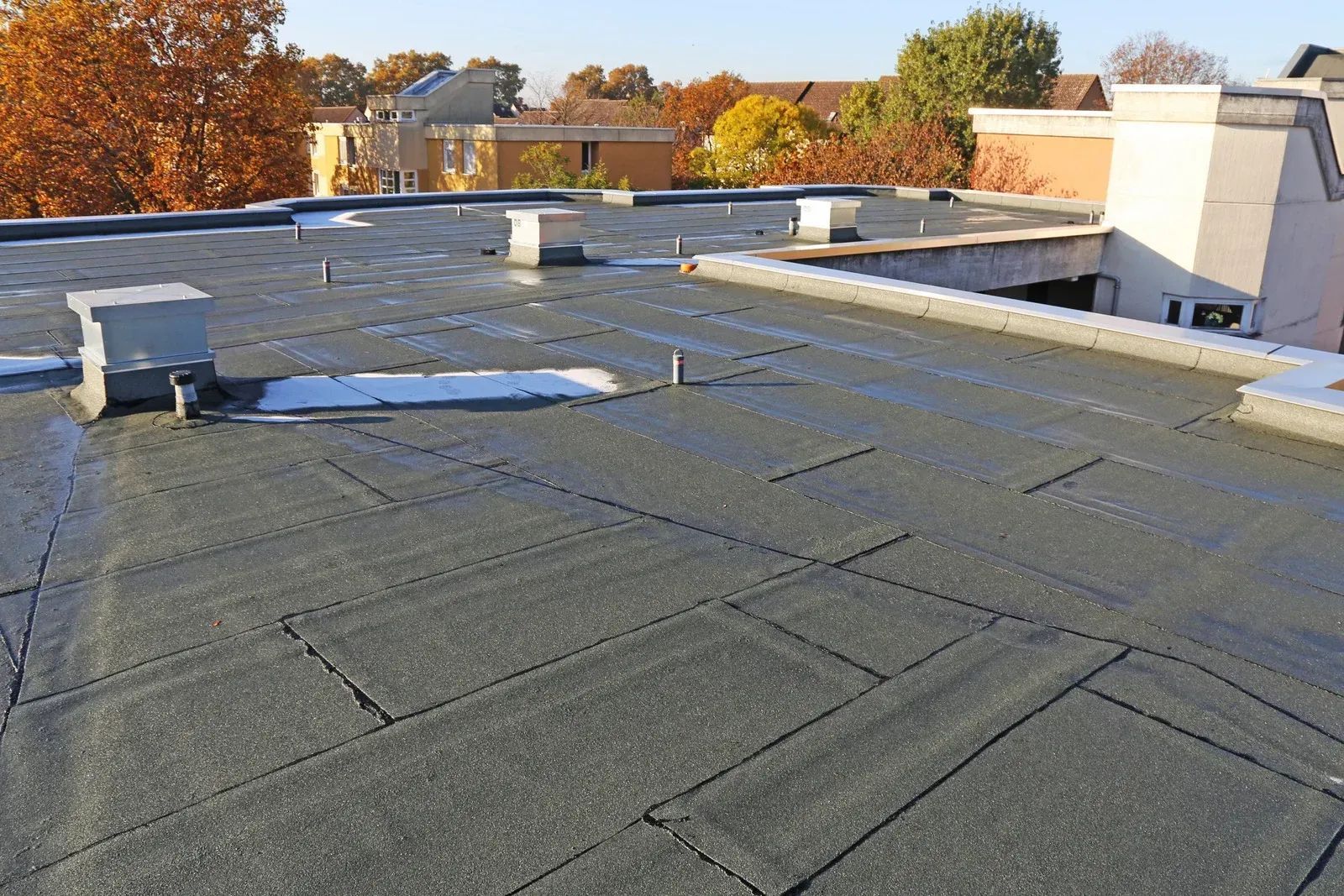
Flat roofing systems are widely used across residential and commercial properties due to their cost efficiency, modern appearance, and functional design. However, despite their practical advantages, flat roofs are more vulnerable to specific issues compared to sloped systems. Poor drainage, weather exposure, and material wear can lead to recurring problems that, if left unaddressed, result in costly repairs or premature roof replacement. Understanding these common issues is essential for property owners looking to protect their investments and maintain long-term structural integrity. Flat roofs also require specialized materials and installation techniques that differ from traditional roofing systems. Without proper expertise, even minor flaws during installation can lead to significant performance issues over time. Additionally, environmental factors such as debris accumulation and standing water further increase the risk of deterioration. Recognizing these risks early helps property owners take preventive action and avoid unexpected repair expenses.
In today’s roofing industry, proactive maintenance and timely repairs are no longer optional—they are critical. With increasing climate variability and rising repair costs, identifying early warning signs and applying effective solutions can significantly extend a roof’s lifespan. This blog explores the most common flat roof problems and provides practical, expert-backed strategies to resolve them efficiently. By gaining insight into these challenges and their solutions, property owners can make informed decisions, prevent extensive damage, and ensure their roofing system remains durable, reliable, and cost-effective for years to come. Regular inspections conducted by qualified professionals can uncover hidden issues that may not be visible during routine checks. Investing in preventive care not only reduces long-term costs but also improves the overall performance of the roofing system. Modern roofing technologies and materials now offer enhanced durability and energy efficiency, making maintenance even more valuable. Staying informed about best practices ensures property owners remain prepared to address issues before they escalate into major structural concerns.
1. Ponding Water: Causes and Solutions
What Causes Water Accumulation
Ponding water is one of the most common issues associated with flat roofs. Unlike pitched roofs, flat surfaces do not allow water to run off quickly, making proper drainage essential. Poor installation, structural sagging, and clogged drainage systems often result in water pooling on the surface. Over time, this standing water weakens roofing materials and increases the risk of leaks, structural damage, and costly long-term repairs if ignored, especially in regions with frequent heavy rainfall conditions.
Effective Fixes and Preventive Measures
Addressing ponding water requires a combination of immediate fixes and long-term planning to ensure effectiveness. Clearing debris from drains and gutters is a simple yet critical first step in maintenance. Installing tapered insulation can help create a slight slope, improving water flow and preventing accumulation. In severe cases, reinforcing the roof structure or upgrading the drainage system may be necessary for proper functionality and improved long-term performance under varying weather conditions.
Regular inspections play a vital role in preventing recurrence and ensuring long-term roofing performance. Ensuring that drainage points remain unobstructed and functioning correctly reduces the likelihood of water accumulation and prolongs the roof’s lifespan significantly over time while maintaining overall structural integrity.
2. Roof Leaks and Moisture Intrusion
Common Entry Points for Leaks
Flat roofs are particularly susceptible to leaks due to their continuous exposure to environmental elements and weather changes. Cracks in the membrane, damaged flashing, and poorly sealed seams are common entry points for water infiltration. Over time, UV radiation and temperature fluctuations can degrade materials, making them more vulnerable to penetration and internal structural damage, especially during seasonal weather extremes and unpredictable climate variations.
Repair Techniques and Best Practices
Fixing leaks begins with accurate identification of the source to prevent recurring issues. Surface patching using compatible roofing materials can effectively seal small cracks and minor damages quickly. For larger issues, replacing damaged sections of the membrane may be required to restore integrity. Applying waterproof coatings adds an extra layer of protection and enhances durability against future exposure and long-term environmental stress factors.
Preventive maintenance includes routine inspections and immediate repair of minor damages before escalation occurs. Using high-quality materials during installation also reduces the likelihood of recurring leaks, ensuring long-term performance, durability, and overall system reliability across different environmental and usage conditions.
3. Blistering and Surface Damage
Understanding Blister Formation
Blistering occurs when air or moisture becomes trapped beneath the roofing membrane, causing bubbles or raised areas on the surface over time. This issue often results from improper installation, poor ventilation, or prolonged exposure to excessive heat conditions. While small blisters may seem harmless initially, they can expand over time and compromise the roof’s integrity significantly if not addressed promptly and professionally.
Repair and Prevention Strategies
Small blisters can often be left undisturbed if they are stable and not at risk of rupture or further damage. However, larger blisters should be carefully cut, dried, and patched using appropriate materials and proper sealing techniques. Ensuring proper ventilation during installation helps prevent moisture buildup, reducing the risk of blistering and future complications in varying environmental conditions.
Using high-quality membranes and adhering to proper installation techniques are essential for long-term prevention and durability. Regular inspections allow early detection, enabling timely intervention before the damage escalates into more serious structural concerns that require extensive and costly repairs.
4. Membrane Shrinkage and Cracking
Causes of Material Deterioration
Flat roof membranes can shrink and crack over time due to continuous exposure to sunlight, UV radiation, and temperature changes. Materials such as EPDM and modified bitumen are particularly prone to this issue if not properly installed or regularly maintained. Shrinkage can lead to gaps at seams and edges, increasing the risk of leaks and water infiltration problems, especially in areas experiencing extreme temperature fluctuations.
Long-Term Repair Solutions
Repairing membrane shrinkage often involves resealing seams and reinforcing affected areas to restore stability. In some cases, replacing sections of the membrane may be necessary to fully restore structural integrity and performance. Applying protective coatings can help reduce UV damage and extend the life of the roofing system significantly while improving resistance to environmental wear.
Preventive measures include selecting durable materials and ensuring proper installation from the outset of the project. Regular maintenance checks help identify early signs of shrinkage, allowing for timely repairs and minimizing long-term damage and costly replacements while maintaining consistent roof performance.
5. Flashing Failures and Edge Issues
Why Flashing Is Critical
Flashing plays a crucial role in protecting vulnerable areas of a flat roof, such as edges, vents, joints, and intersections. When flashing becomes loose, corroded, or improperly sealed, it creates entry points for water infiltration and damage. This issue is particularly common in older roofs or those exposed to harsh weather conditions over extended periods without proper maintenance and timely inspections.
Repair and Reinforcement Techniques
Fixing flashing issues involves resealing or replacing damaged sections using proper materials and installation techniques. Using high-quality sealants and ensuring proper attachment are essential for effective repairs and long-term durability. Reinforcing edges with durable materials can also improve resistance to environmental stress and prevent future failures caused by weather-related wear.
Routine inspections of flashing components help detect early signs of wear and deterioration before serious issues arise. Addressing these issues promptly prevents water intrusion and maintains the overall integrity of the roofing system effectively while reducing long-term maintenance costs significantly.
6. Poor Installation and Maintenance Practices
The Impact of Improper Workmanship
Many flat roof problems stem from poor installation or inadequate maintenance practices over time. Incorrect layering, improper sealing, and substandard materials can lead to a range of issues, including leaks, blistering, and structural damage. Lack of regular maintenance further exacerbates these problems, allowing minor issues to develop into major concerns requiring expensive repairs and extensive system restoration work.
Best Practices for Long-Term Performance
Ensuring proper installation by experienced professionals is the foundation of a durable and reliable flat roof system. Following manufacturer guidelines and using high-quality materials significantly improves performance, durability, and long-term lifespan. Regular maintenance, including inspections and minor repairs, helps identify potential issues early before they worsen and impact overall system efficiency.
Creating a maintenance schedule tailored to the specific roofing system ensures consistent care and ongoing performance. This proactive approach not only prevents costly repairs but also extends the overall lifespan of the roof, providing long-term value, safety, and reliability for both residential and commercial properties.
Experienced Flat Roofing Professionals Committed to Quality Results
When it comes to addressing flat roof issues with precision and reliability, experience and expertise make all the difference. At Top Flight Roofing, based in Mobile, Alabama, we bring over years of hands-on experience in diagnosing, repairing, and maintaining flat roofing systems. Our approach focuses on delivering practical, long-term solutions tailored to each property’s unique needs, ensuring durability and performance under varying conditions.
We understand that flat roofing challenges require more than temporary fixes. Our process involves thorough inspections, accurate problem identification, and the use of high-quality materials designed to withstand environmental stress. From resolving persistent leaks to improving drainage and reinforcing structural integrity, we prioritize solutions that extend the life of your roof while minimizing future risks.
Our commitment to professionalism, transparency, and quality workmanship has established us as a trusted authority in the roofing industry. We believe in proactive maintenance and expert-driven repairs that protect your investment and provide peace of mind. By choosing our services, you gain a dependable partner dedicated to maintaining the strength, efficiency, and longevity of your flat roofing system.