Dark Streaks Running Down Your Roof? What Those Black Stains Really Are
July 15, 2026
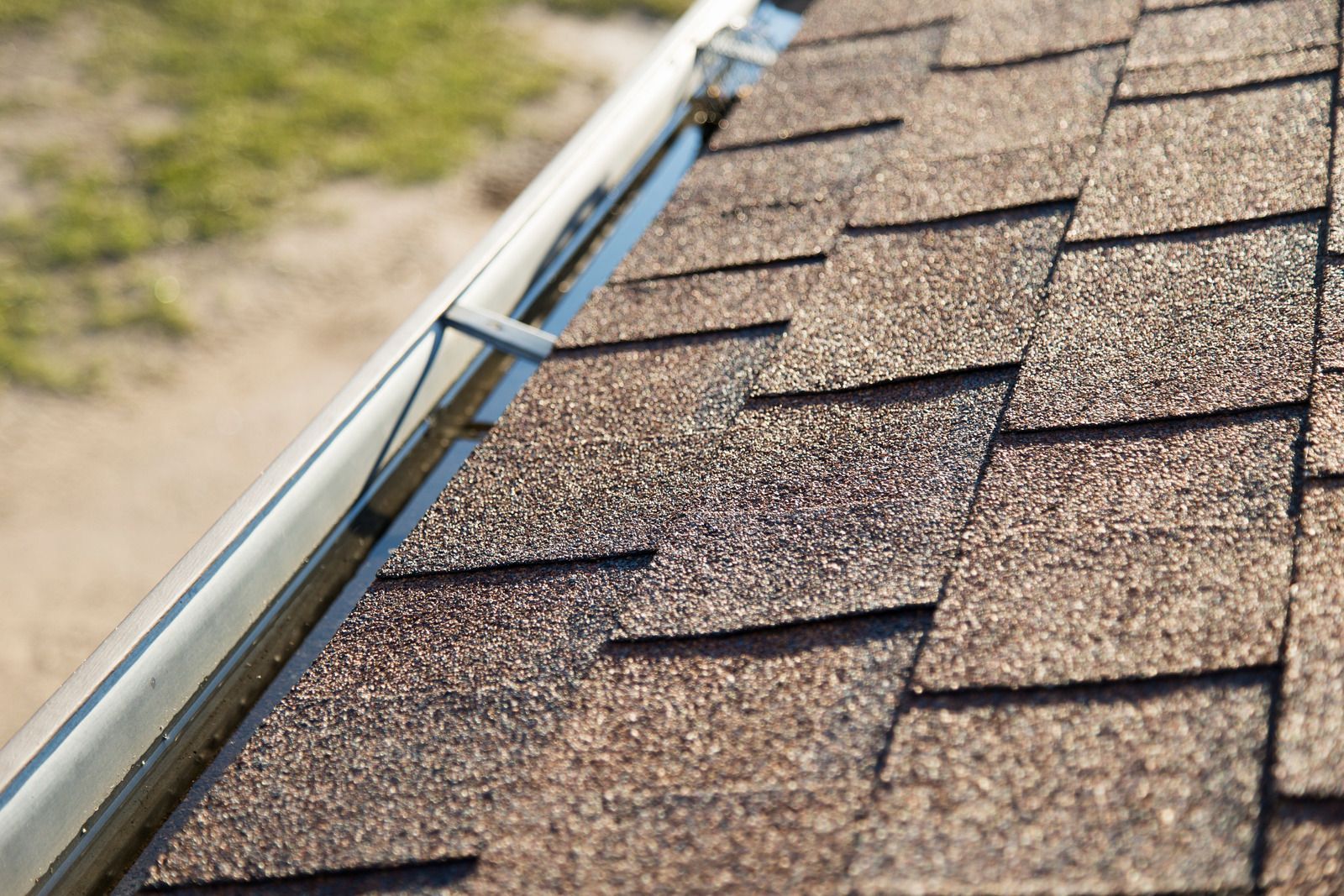
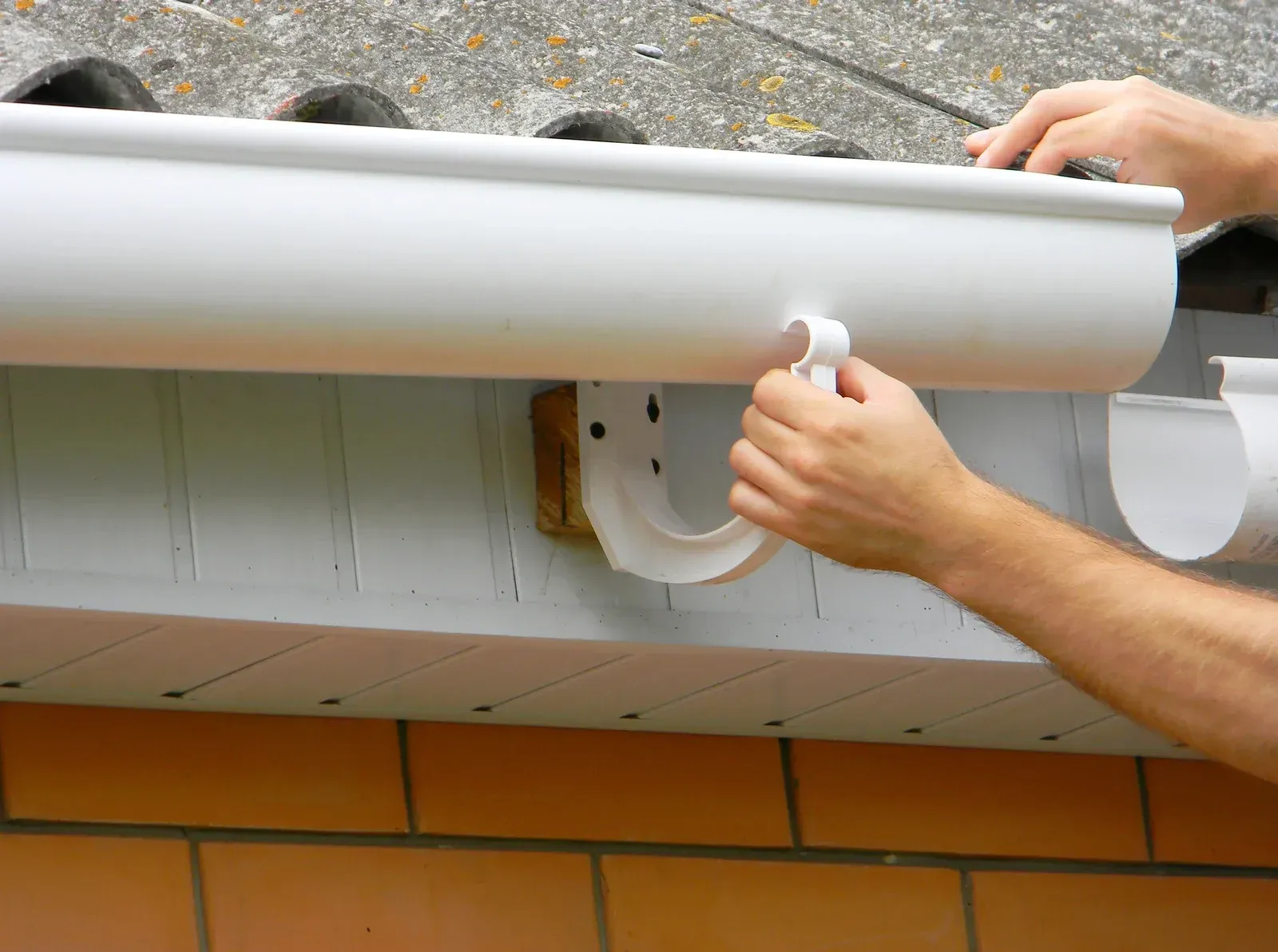
Misdirected water is the root cause of more preventable structural damage than almost any other residential maintenance failure, and in a climate that delivers over 60 inches of rain per year, the margin for error in your gutter system is slim. Mobile's combination of tropical moisture, intense summer storms, and year-round rainfall means a gutter system that is borderline functional elsewhere becomes actively damaging here within a single wet season.
Top Flight Roofing
has spent more than 10
years inspecting, installing, and repairing gutter systems. We assess pitch, fascia condition, downspout placement, and system sizing on every inspection because those are the factors that determine whether your gutters protect your home or silently work against it. If your last heavy rain left you with questions about what your gutter system is actually doing, our
professional gutter installation services
provide the quality workmanship and dependable protection your home deserves.
Quick Answer: Those dark, blotchy streaks running down your roof are almost always algae, specifically a blue-green algae called Gloeocapsa magma. It feeds on the limestone filler in asphalt shingles, produces a dark protective pigment, and spreads fastest on shaded, north-facing, and moisture-holding slopes. The staining is mostly cosmetic at first, but the dark growth traps heat and moisture against the shingles, so it is worth cleaning correctly and preventing rather than ignoring.
You pull into the driveway, glance up, and there they are: long dark streaks bleeding down from the ridge, darker on one side of the house than the other, almost like someone poured something across the shingles. It looks like dirt, or soot, or maybe the roof is just wearing out. You are already wondering whether you need a new roof and whether it is spreading.
Here is the reassuring part and the important part in one breath. Those streaks are not dirt, and in most cases they are not a sign that your roof is failing. They are a living organism, and once you understand what it is and why it grows where it does, the whole thing gets a lot less alarming and a lot more manageable. Along the Gulf Coast, where warm air and heavy humidity hang around most of the year, this is one of the most common things we get asked about. Here is what is actually growing up there and what to do about it.
Misdirected water is the root cause of more preventable structural damage than almost any other residential maintenance failure, and in a climate that delivers over 60 inches of rain per year, the margin for error in your gutter system is slim. Mobile's combination of tropical moisture, intense summer storms, and year-round rainfall means a gutter system that is borderline functional elsewhere becomes actively damaging here within a single wet season.
Top Flight Roofing
has spent more than 10
years inspecting, installing, and repairing gutter systems. We assess pitch, fascia condition, downspout placement, and system sizing on every inspection because those are the factors that determine whether your gutters protect your home or silently work against it. If your last heavy rain left you with questions about what your gutter system is actually doing, our
professional gutter installation services
provide the quality workmanship and dependable protection your home deserves.
What the Black Streaks Actually Are
A blue-green algae, not dirt
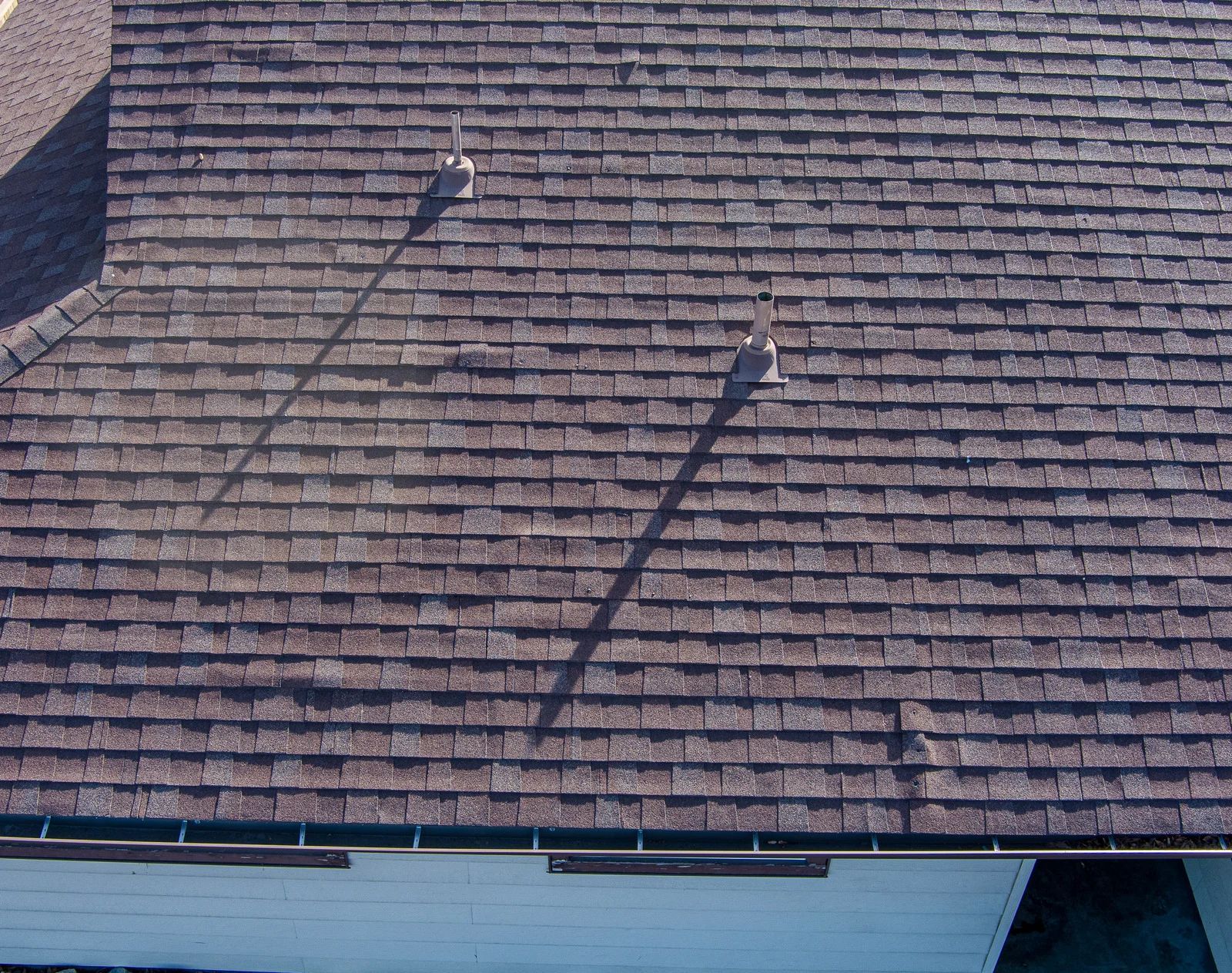
Black roof streaks are typically caused by Gloeocapsa magma, a blue-green algae that spreads through airborne spores. Once established on asphalt shingles, the colony gradually grows over time, creating increasingly noticeable dark streaks across the roof.
Why it turns black
The algae naturally produces a dark protective coating as it matures. This outer layer shields the colony from sunlight and helps retain moisture, making older algae growth appear darker and more visible than newly established colonies.
What it feeds on
Gloeocapsa magma feeds on the limestone filler found in many asphalt shingles. As shingles age and weather, this material becomes more accessible, allowing algae to spread more easily and create darker, more extensive roof staining.
Why the streaks run downward
Rainwater carries algae spores and nutrients from the roof ridge down the slope, causing vertical streaks that are often darkest near the top. This distinctive top-to-bottom pattern is a common characteristic of algae growth on asphalt roofs.
Misdirected water is the root cause of more preventable structural damage than almost any other residential maintenance failure, and in a climate that delivers over 60 inches of rain per year, the margin for error in your gutter system is slim. Mobile's combination of tropical moisture, intense summer storms, and year-round rainfall means a gutter system that is borderline functional elsewhere becomes actively damaging here within a single wet season.
Top Flight Roofing
has spent more than 10
years inspecting, installing, and repairing gutter systems. We assess pitch, fascia condition, downspout placement, and system sizing on every inspection because those are the factors that determine whether your gutters protect your home or silently work against it. If your last heavy rain left you with questions about what your gutter system is actually doing, our
professional gutter installation services
provide the quality workmanship and dependable protection your home deserves.
Why It Shows Up Where It Does
Algae does not spread randomly across a roof. It follows moisture and shade, which is why one slope can look filthy while another stays clean.
North-facing and shaded slopes
North-facing roof sections and shaded areas remain damp longer after rain or dew. This lingering moisture creates ideal conditions for algae growth, making these slopes the first places where dark streaks commonly appear.
Warm, humid climates
Warm temperatures, frequent rainfall, and high humidity provide ideal conditions for roof algae. Homes in Gulf Coast climates commonly experience black streaking because moisture remains on shingles long enough for algae colonies to thrive.
Older roofs and worn granules
As asphalt shingles age, protective granules wear away and expose more limestone filler. This provides additional nutrients for algae, making older roofs more susceptible to dark staining than newer roofing systems.
Overhanging trees and clogged gutters
Tree branches create shade and trap moisture, while clogged gutters keep roof edges damp. These conditions extend drying time after rain, encouraging algae growth and increasing the likelihood of noticeable roof streaks.
Misdirected water is the root cause of more preventable structural damage than almost any other residential maintenance failure, and in a climate that delivers over 60 inches of rain per year, the margin for error in your gutter system is slim. Mobile's combination of tropical moisture, intense summer storms, and year-round rainfall means a gutter system that is borderline functional elsewhere becomes actively damaging here within a single wet season.
Top Flight Roofing
has spent more than 10
years inspecting, installing, and repairing gutter systems. We assess pitch, fascia condition, downspout placement, and system sizing on every inspection because those are the factors that determine whether your gutters protect your home or silently work against it. If your last heavy rain left you with questions about what your gutter system is actually doing, our
professional gutter installation services
provide the quality workmanship and dependable protection your home deserves.
What It Is Not: Ruling Out the Look-Alikes
Not every dark patch on a roof is algae, and telling them apart matters because they behave very differently.
Moss is a different problem entirely
Moss is a true plant, not algae. It grows as thick green cushions, usually in the most heavily shaded, damp spots, and it roots into the shingle surface. Unlike algae, moss is genuinely damaging: it lifts shingle edges as it grows and traps water against the roof, which can rot the shingle mat and the decking underneath. If you see raised green clumps rather than flat dark streaks, that is moss and it needs attention sooner.
Lichen, soot, and tree droppings
Lichen is a tougher growth that clings hard to the granule surface and can be stubborn to remove. Soot, dirt, and tree droppings usually create only localized discoloration in one spot rather than long streaks running the length of the slope. The airborne algae we are talking about produces those sweeping top-to-bottom streaks across a whole face of the roof.
Tip: Do a slope-by-slope check from the ground with binoculars. If the dark streaking is heaviest on the shaded, north-facing side and lightest where the sun hits hardest, you are almost certainly looking at algae rather than a roofing defect or general wear. That pattern is the giveaway.
Misdirected water is the root cause of more preventable structural damage than almost any other residential maintenance failure, and in a climate that delivers over 60 inches of rain per year, the margin for error in your gutter system is slim. Mobile's combination of tropical moisture, intense summer storms, and year-round rainfall means a gutter system that is borderline functional elsewhere becomes actively damaging here within a single wet season.
Top Flight Roofing
has spent more than 10
years inspecting, installing, and repairing gutter systems. We assess pitch, fascia condition, downspout placement, and system sizing on every inspection because those are the factors that determine whether your gutters protect your home or silently work against it. If your last heavy rain left you with questions about what your gutter system is actually doing, our
professional gutter installation services
provide the quality workmanship and dependable protection your home deserves.
Is It Actually Hurting Your Roof?
This is the question that matters most, and the honest answer has two sides.
Mostly cosmetic at first
Early roof algae mainly affects appearance rather than performance. It feeds on limestone filler instead of waterproofing materials, so lightly stained shingles usually remain structurally sound despite looking older or poorly maintained.
But it is not entirely harmless over time
Over time, algae absorbs heat and traps moisture against the shingles. These conditions can gradually increase thermal stress, encourage granule wear, and contribute to faster roof aging if left untreated for years.
The curb-appeal cost is real
Dark roof streaks can significantly reduce curb appeal. Even when the roof remains in good condition, visible algae staining may cause visitors or potential buyers to assume the roofing system is older or poorly maintained.
Misdirected water is the root cause of more preventable structural damage than almost any other residential maintenance failure, and in a climate that delivers over 60 inches of rain per year, the margin for error in your gutter system is slim. Mobile's combination of tropical moisture, intense summer storms, and year-round rainfall means a gutter system that is borderline functional elsewhere becomes actively damaging here within a single wet season.
Top Flight Roofing
has spent more than 10
years inspecting, installing, and repairing gutter systems. We assess pitch, fascia condition, downspout placement, and system sizing on every inspection because those are the factors that determine whether your gutters protect your home or silently work against it. If your last heavy rain left you with questions about what your gutter system is actually doing, our
professional gutter installation services
provide the quality workmanship and dependable protection your home deserves.
How It Gets Cleaned Safely
If the staining bothers you or has gotten heavy, the roof can be cleaned, but the method matters enormously.
Soft washing, not pressure washing
Soft washing uses low-pressure cleaning solutions to eliminate roof algae without harming shingles. Pressure washing removes protective granules, shortens roof lifespan, and can permanently damage asphalt roofing materials.
Why cleaning is temporary
Roof cleaning removes existing algae but does not eliminate airborne spores or environmental conditions. Without preventive measures, algae often returns over time, especially in warm, humid, or shaded locations.
Why it is worth being careful up there
Roof cleaning creates slippery surfaces and increases fall risks. Working on wet, sloped roofs requires proper safety equipment and experience, making professional cleaning the safest option for protecting both people and roofing materials.
Warning: Never pressure wash an asphalt shingle roof to remove algae. The high-pressure stream tears off the granules that protect the shingle from the sun, and once those granules are gone they do not grow back. A single aggressive pressure washing can strip a large share of the roof's remaining life, turning a cosmetic problem into a real one.
Misdirected water is the root cause of more preventable structural damage than almost any other residential maintenance failure, and in a climate that delivers over 60 inches of rain per year, the margin for error in your gutter system is slim. Mobile's combination of tropical moisture, intense summer storms, and year-round rainfall means a gutter system that is borderline functional elsewhere becomes actively damaging here within a single wet season.
Top Flight Roofing
has spent more than 10
years inspecting, installing, and repairing gutter systems. We assess pitch, fascia condition, downspout placement, and system sizing on every inspection because those are the factors that determine whether your gutters protect your home or silently work against it. If your last heavy rain left you with questions about what your gutter system is actually doing, our
professional gutter installation services
provide the quality workmanship and dependable protection your home deserves.
Keeping the Streaks From Coming Back
Cleaning handles what is already there. Prevention is about changing the conditions so the algae has a harder time returning.
Copper and zinc do the heavy lifting
Copper and zinc naturally inhibit algae growth. During rainfall, trace amounts wash over the shingles, creating conditions that make it difficult for algae colonies to establish and spread across the roof.
Algae-resistant shingles
Algae-resistant shingles contain copper-infused granules that help prevent black streaks from developing. They provide long-term protection and are an excellent choice for homeowners replacing roofs in warm, humid climates.
Metal strips near the ridge
Installing copper or zinc strips near the roof ridge provides ongoing algae protection. Rainwater carries trace metal particles down the roof, reducing algae growth and helping keep shingles cleaner for longer.
Cut the moisture and shade
Trimming overhanging branches and keeping gutters clean allows the roof to dry faster after rain. Reducing shade and moisture creates conditions that are far less favorable for algae growth and recurring roof stains.
Misdirected water is the root cause of more preventable structural damage than almost any other residential maintenance failure, and in a climate that delivers over 60 inches of rain per year, the margin for error in your gutter system is slim. Mobile's combination of tropical moisture, intense summer storms, and year-round rainfall means a gutter system that is borderline functional elsewhere becomes actively damaging here within a single wet season.
Top Flight Roofing
has spent more than 10
years inspecting, installing, and repairing gutter systems. We assess pitch, fascia condition, downspout placement, and system sizing on every inspection because those are the factors that determine whether your gutters protect your home or silently work against it. If your last heavy rain left you with questions about what your gutter system is actually doing, our
professional gutter installation services
provide the quality workmanship and dependable protection your home deserves.
Frequently Asked Questions
Are the black streaks on my roof algae or mold?
Most black roof streaks are caused by Gloeocapsa magma, a blue-green algae rather than mold. It feeds on limestone in asphalt shingles and produces dark protective pigments, creating the familiar streaked appearance seen on many roofs.
Do the streaks mean my roof is failing or needs replacing?
Usually not. Early algae growth is primarily cosmetic and does not automatically mean the roof needs replacement. A professional inspection can determine whether the discoloration is algae, moss, lichen, or normal shingle deterioration.
Can I just pressure wash the roof to get rid of them?
No. Pressure washing removes the protective granules from asphalt shingles and can significantly shorten the roof's lifespan. Low-pressure soft washing with appropriate cleaning solutions safely removes algae while protecting the roofing material from unnecessary damage.
Why is only one side of my roof streaked?
Shaded or north-facing roof slopes stay damp longer after rain or morning dew, creating ideal conditions for algae growth. Sunnier areas dry faster, making uneven staining one of the clearest signs of algae rather than roof failure.
Will the streaks come back after cleaning?
Yes, they can return because airborne algae spores remain present. Long-term prevention includes algae-resistant shingles, copper or zinc strips near the roof ridge, and trimming nearby trees to reduce shade and moisture retention.
Is the algae actually damaging anything, or is it only ugly?
Early algae growth mainly affects appearance, but prolonged buildup can trap moisture and absorb additional heat. Over time, these conditions may accelerate shingle wear, making routine cleaning and preventive measures worthwhile for long-term roof protection.
Misdirected water is the root cause of more preventable structural damage than almost any other residential maintenance failure, and in a climate that delivers over 60 inches of rain per year, the margin for error in your gutter system is slim. Mobile's combination of tropical moisture, intense summer storms, and year-round rainfall means a gutter system that is borderline functional elsewhere becomes actively damaging here within a single wet season.
Top Flight Roofing
has spent more than 10
years inspecting, installing, and repairing gutter systems. We assess pitch, fascia condition, downspout placement, and system sizing on every inspection because those are the factors that determine whether your gutters protect your home or silently work against it. If your last heavy rain left you with questions about what your gutter system is actually doing, our
professional gutter installation services
provide the quality workmanship and dependable protection your home deserves.
Reading the Streaks and Getting Ahead of Them
Dark streaks on a roof look worse than they usually are, but they are still telling you something real. They are a living algae colony that took hold because a slope stays warm, shaded, and damp, which describes a lot of roofs in this humid coastal climate. Catching it early means the fix is simple: confirm it is algae and not moss, clean it the right way instead of blasting the granules off, and change the conditions so it does not sprint back. Left alone for years, that same growth traps heat and moisture and quietly accelerates the wear it started as a cosmetic nuisance.
Book a
roof inspection — If dark streaks are creeping down your roof, the smartest first step is finding out exactly what is causing them before storm season adds more wear. Top Flight Roofing inspects every roof slope to determine whether the issue is algae, moss, or granule loss, recommends safe soft-wash cleaning instead of pressure washing that can damage shingles, and provides long-term prevention options such as algae-resistant shingles or metal strips. Backed by
10+ years of experience serving homeowners throughout
Mobile, Alabama, our team helps protect your roof from recurring growth. Schedule your roof inspection today and stop the problem before it spreads across the entire roof.