Why Annual Roof Inspections Are Essential for Long-Term Roof Health?
May 31, 2026
A roof does far more than cover a building. It protects the structure from rain, wind, heat, humidity, and seasonal weather changes that slowly wear down roofing materials over time. Many property owners assume a roof only needs attention after visible leaks or storm damage appear, but waiting for problems to become obvious often leads to expensive repairs and avoidable structural issues. Annual roof inspections help identify small concerns before they develop into major roofing failures. From missing shingles and flashing deterioration to hidden moisture intrusion and drainage problems, regular inspections allow homeowners to maintain roof performance while protecting the overall condition of the property.
The roofing industry continues to emphasize preventative maintenance because neglected roofs often experience shorter lifespans and higher long-term repair costs. Even durable roofing systems require routine evaluations to ensure materials remain secure and weather-resistant. Annual inspections also help property owners prepare for seasonal changes, especially in areas exposed to strong storms, heat, or heavy rainfall. A professional inspection provides valuable insight into roof condition, ventilation performance, drainage efficiency, and early signs of wear that may otherwise go unnoticed. Investing in routine roof evaluations supports long-term roof health, improves energy efficiency, and reduces the likelihood of emergency roofing situations that disrupt daily life and property safety.
The Role of Preventative Roof Maintenance
Understanding How Roof Damage Develops
Roof damage rarely appears overnight. Most roofing issues begin as small weaknesses that gradually worsen due to weather exposure and aging materials. Minor shingle movement, cracked sealants, loose flashing, or blocked drainage systems may seem insignificant at first, but these conditions create opportunities for water intrusion and structural deterioration. Annual roof inspections help identify these early warning signs before major damage occurs.
Temperature fluctuations also contribute to roofing problems. Heat expansion during the day and cooling at night place stress on roofing materials throughout the year. Over time, repeated expansion and contraction can loosen shingles, weaken seals, and create openings where moisture enters the roofing system. Routine inspections help uncover these concerns early so repairs can be completed before larger sections of the roof become compromised.
Preventing Expensive Structural Repairs
One of the most important reasons for annual roof inspections involves preventing structural damage inside the property. Water intrusion from a damaged roof may spread into insulation, ceilings, attic spaces, drywall, and framing materials. Even a small leak can create mold growth, wood rot, and interior staining when left unresolved.
Preventative inspections reduce the risk of hidden moisture problems by allowing roofing professionals to examine vulnerable areas before visible interior damage develops. Catching roofing concerns early often means smaller repairs, lower costs, and fewer disruptions for homeowners. Property owners who schedule annual inspections typically avoid the severe damage associated with neglected roofing systems.
Key Areas Evaluated During Roof Inspections
Shingles and Roofing Materials
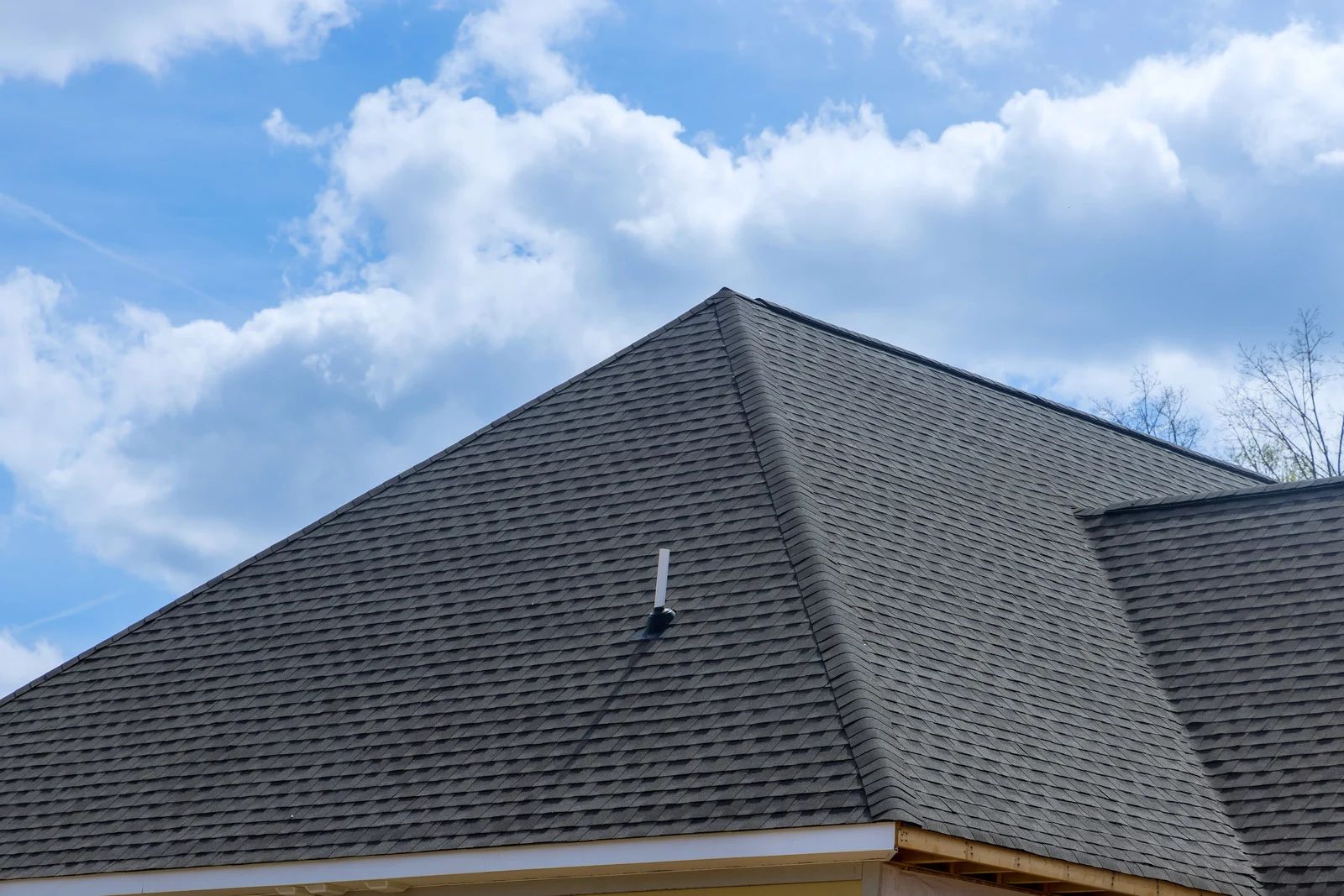
Roofing professionals carefully inspect shingles, tiles, or metal panels for signs of wear, cracking, curling, granule loss, and storm-related damage. Missing or damaged roofing materials expose underlying layers to moisture and ultraviolet exposure, increasing the likelihood of leaks and premature deterioration.
Inspectors also evaluate whether roofing materials remain properly secured. High winds and seasonal storms can loosen shingles without immediately causing visible leaks. Annual evaluations help identify vulnerable areas before weather conditions worsen the damage.
Flashing and Roof Penetrations
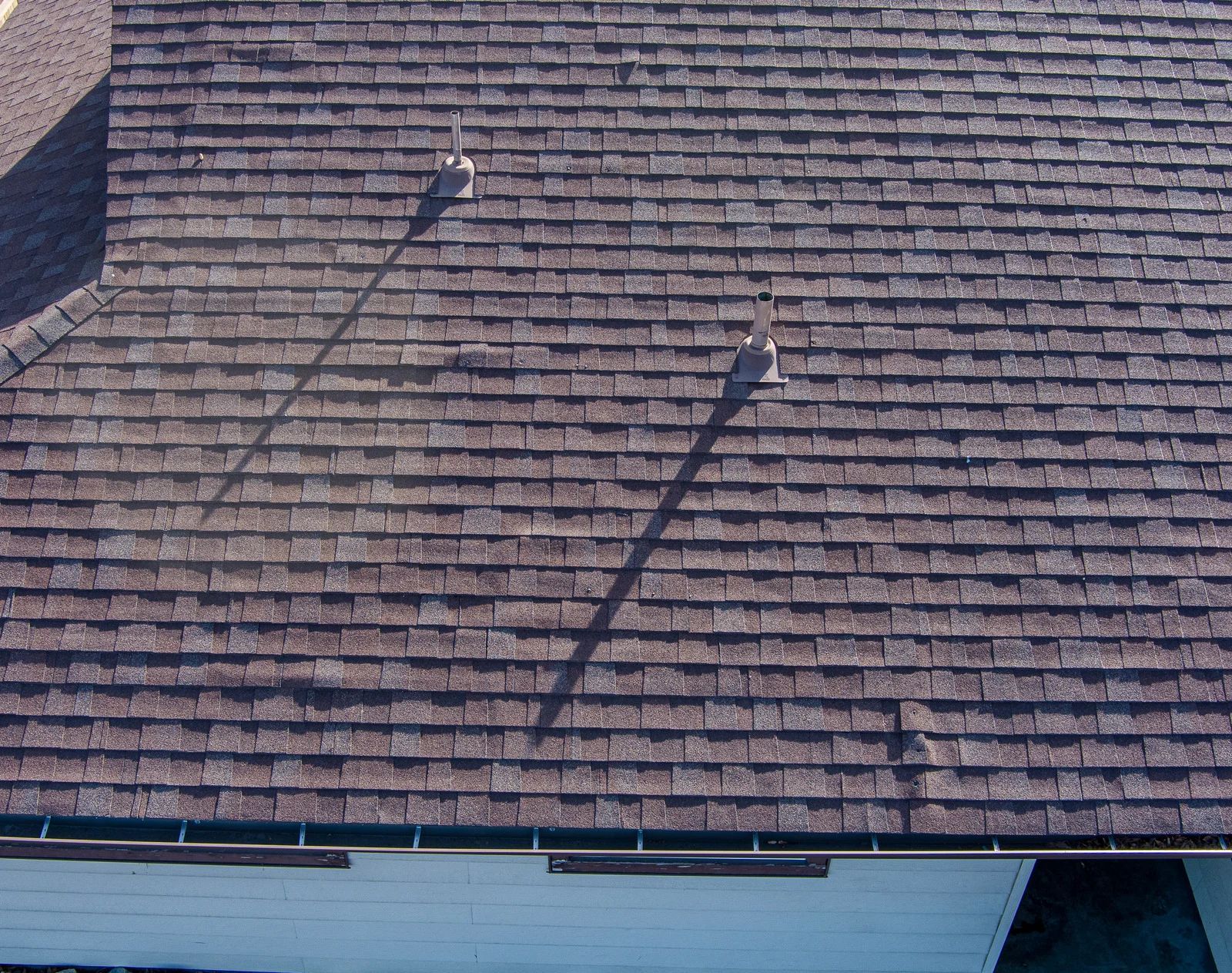
Flashing protects areas where the roof meets chimneys, vents, skylights, and wall transitions. These sections are common sources of leaks because they involve joints and openings within the roofing system. Damaged or improperly sealed flashing allows water to enter beneath roofing materials and into structural components.
Roof inspections include checking flashing condition, sealant integrity, and attachment points around roof penetrations. Maintaining these areas helps prevent moisture intrusion that often develops unnoticed until interior damage becomes visible.
Gutters and Drainage Systems
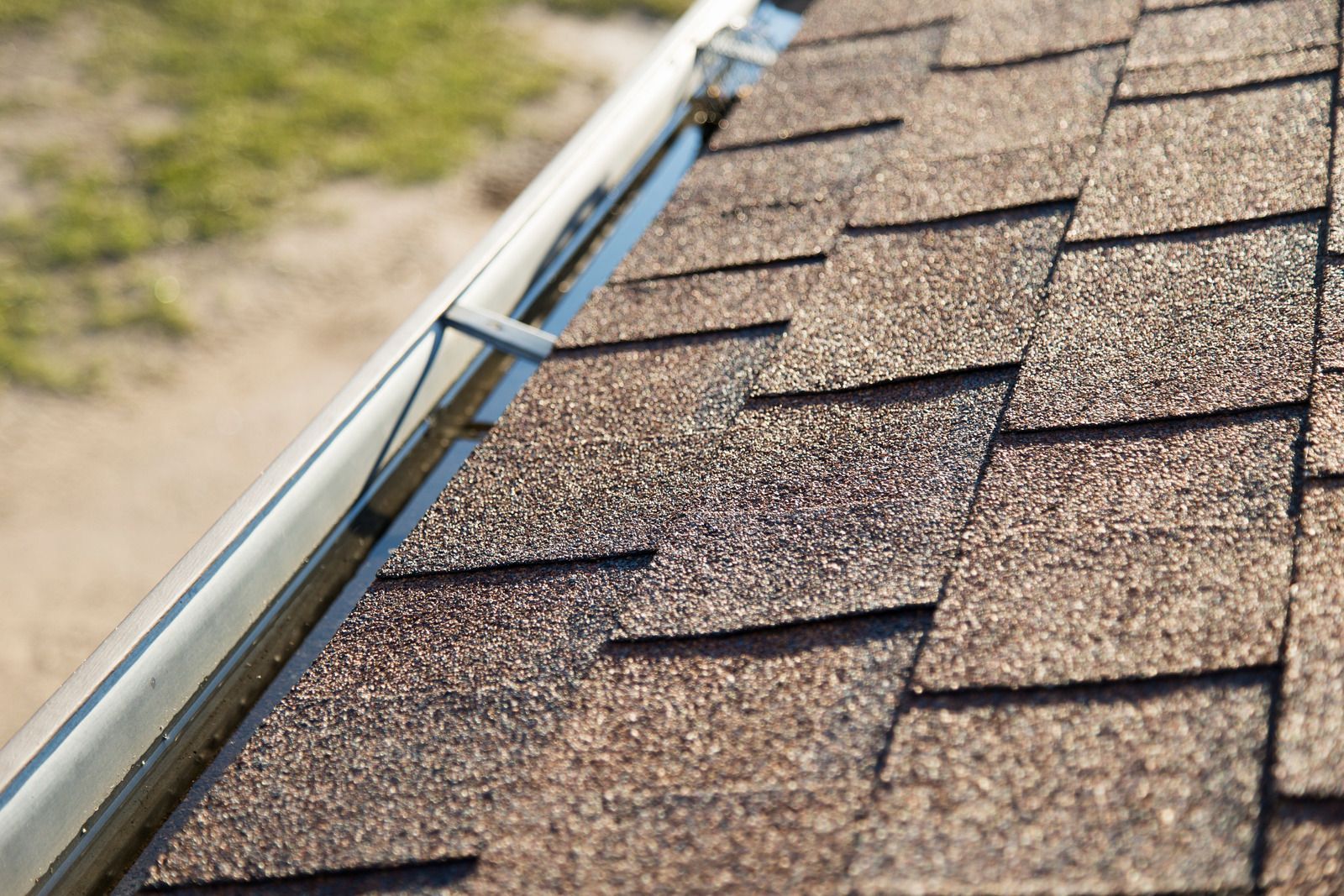
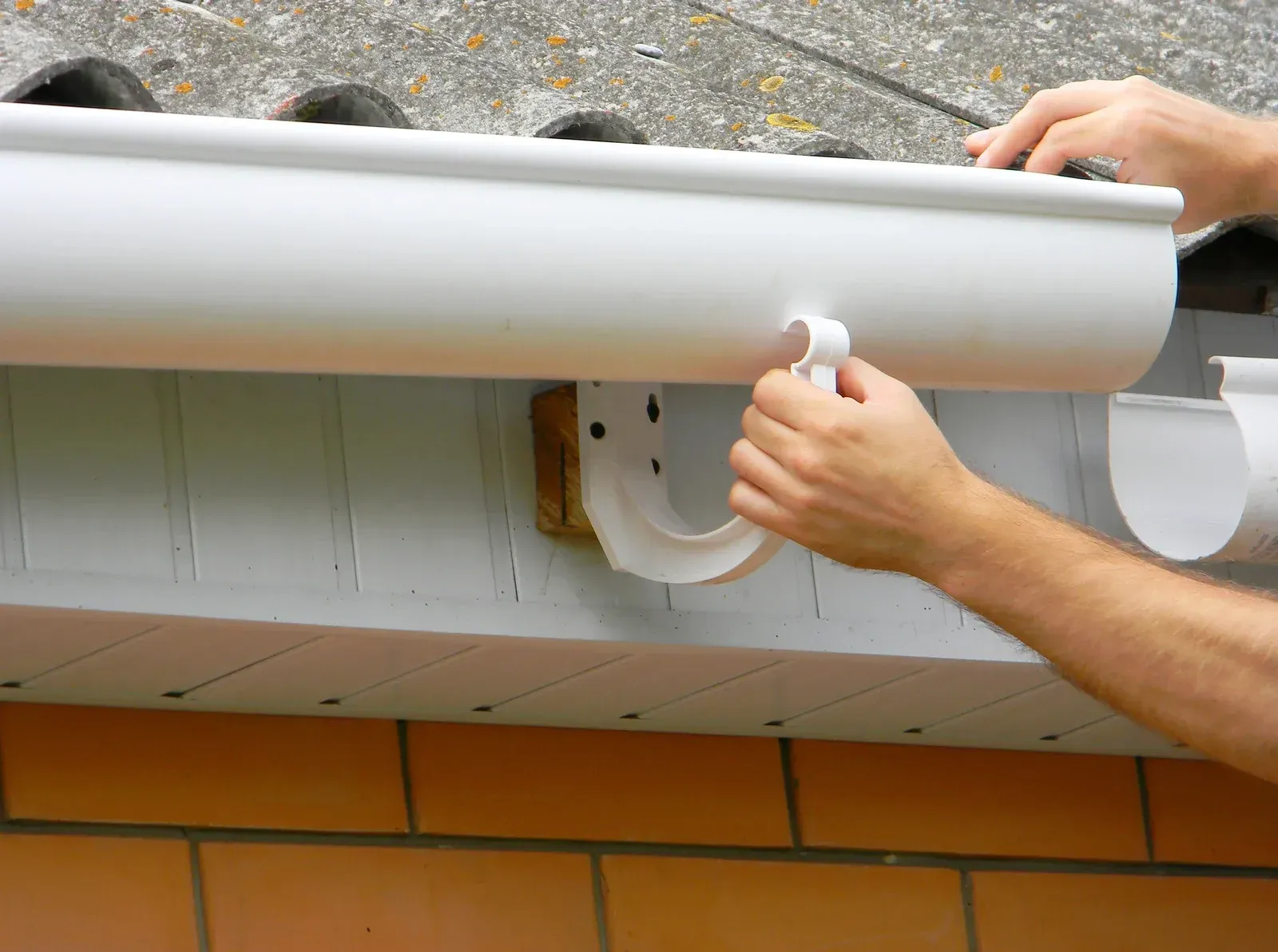
Roof health depends heavily on proper drainage. Gutters and downspouts direct water away from roofing surfaces and the foundation of the property. When gutters become clogged with leaves, debris, or sediment buildup, water may overflow and damage roofing edges, fascia boards, and siding.
Annual inspections evaluate drainage performance to ensure rainwater flows away from the structure as intended. Roofing professionals may also identify sagging gutters, disconnected downspouts, or drainage patterns that contribute to standing water on the roof.
How Annual Inspections Extend Roof Lifespan
Reducing Premature Material Failure
Roofing systems are major investments designed to last for decades, but neglected maintenance often shortens their lifespan. Small issues that remain unresolved place additional strain on surrounding roofing materials, accelerating deterioration across larger sections of the roof.
For example, a few damaged shingles may expose neighboring shingles to increased moisture and wind exposure. Over time, the affected area expands, leading to larger repairs or full roof replacement sooner than expected. Annual inspections help property owners preserve roofing materials by addressing isolated problems before they spread.
Supporting Manufacturer Warranty Requirements
Many roofing manufacturers recommend regular maintenance and inspections as part of warranty protection requirements. Failing to maintain the roof properly may create complications when property owners attempt to file warranty claims related to material defects or storm damage.
Documented annual inspections provide valuable records showing the roof received proper care throughout its lifespan. These records may support insurance claims, warranty coverage, and future property transactions where roof condition becomes an important consideration.
Improving Energy Efficiency
Roof condition directly impacts indoor temperature control and energy performance. Damaged roofing materials, poor attic ventilation, and moisture intrusion can reduce insulation performance and increase heating or cooling demands.
During annual inspections, roofing professionals often assess ventilation systems and attic airflow to ensure heat and moisture do not become trapped beneath the roof. Proper ventilation supports roofing material longevity while helping homeowners maintain more stable indoor temperatures throughout the year.
Seasonal Weather and Roof Inspection Importance
Storm Damage Detection
Severe weather frequently causes roofing damage that may not be visible from ground level. Strong winds can lift shingles, hail may weaken roofing materials, and heavy rain can expose vulnerable flashing areas. Property owners often overlook minor storm damage until leaks appear months later.
Annual inspections help identify storm-related concerns before they worsen. Roofing professionals understand how weather impacts different roofing systems and can recognize subtle damage patterns that untrained individuals may miss.
In coastal and humid regions, roofs face additional stress from moisture exposure, salt air, and seasonal storms. Regular evaluations become especially important in these environments because weather conditions accelerate material wear and increase the likelihood of water intrusion.
Preparing Roofs for Seasonal Changes
Different seasons create different roofing challenges. Summer heat may dry out roofing materials, while colder months can contribute to moisture retention and expansion-related damage. Preparing the roof before extreme weather seasons helps reduce the risk of emergency repairs.
Annual inspections provide opportunities to reinforce vulnerable roofing areas, clear drainage systems, and repair minor weaknesses before storms or seasonal weather conditions intensify existing problems. Preventative preparation supports year-round roof protection and helps homeowners avoid unexpected roofing emergencies.
Why Professional Roof Inspections Matter
Experience Identifying Early Warning Signs
Professional roofing inspectors understand how roofing systems age and how different materials respond to environmental conditions. Many roofing issues develop beneath surface layers where homeowners cannot easily identify them during casual visual checks.
Experienced inspectors know how to evaluate flashing integrity, ventilation performance, drainage systems, and structural warning signs that indicate developing roofing concerns. This expertise helps property owners make informed maintenance decisions based on actual roof condition rather than visible symptoms alone.
Improving Long-Term Property Protection
Annual roof inspections protect more than the roof itself. They help preserve insulation, ceilings, walls, electrical systems, and structural framing from water-related damage. A healthy roofing system also contributes to property value, curb appeal, and overall building safety.
Regular evaluations create a proactive maintenance strategy that reduces emergency repair risks and helps homeowners plan for future roofing needs with greater confidence. Instead of reacting to sudden leaks or major storm damage, property owners gain opportunities to manage roofing care gradually and responsibly.
Experienced Roofing Professionals Delivering Dependable Roof Care
Long-term roof health depends on proactive maintenance, timely inspections, and professional attention to developing roofing concerns. Annual roof inspections help property owners identify hidden damage, extend roofing lifespan, improve energy performance, and reduce the likelihood of expensive structural repairs. Investing in regular inspections creates a stronger defense against weather exposure, moisture intrusion, and gradual material deterioration that can compromise the safety and value of a property over time.
At Top Flight Roofing, we understand the importance of protecting residential and commercial roofing systems through dependable inspection and maintenance services. Serving property owners throughout Mobile, Alabama, our roofing professionals bring more than 10 years of industry experience to every project. Our approach focuses on detailed evaluations, honest recommendations, and long-term roofing solutions designed to help property owners avoid unnecessary damage and costly repairs.
We carefully inspect roofing materials, flashing systems, drainage components, ventilation performance, and structural warning signs to ensure every roof receives the attention it deserves. Whether addressing seasonal storm concerns, aging roofing materials, or preventative maintenance needs, we prioritize workmanship, safety, and durable results. Property owners rely on us for knowledgeable roofing guidance, responsive service, and solutions tailored to the specific condition of each roofing system. Annual roof inspections remain one of the most valuable steps homeowners can take to preserve roof performance and protect their investment for years ahead.