Is Metal Roofing Worth the Investment? Benefits, Lifespan & Value
March 16, 2026
Lifespan of Metal Roofs – Longevity Compared to Traditional Materials
Choosing the right roofing material is a critical decision for homeowners, directly impacting both the durability of the home and long-term financial outcomes. Among the many options available, metal roofing has steadily grown in popularity due to its durability, energy efficiency, and aesthetic appeal. While it may come with a higher initial cost compared to traditional asphalt shingles, the potential long-term benefits and return on investment make it a consideration worth exploring. For homeowners and property investors alike, understanding the true value of metal roofing requires an assessment of performance, longevity, and overall impact on property value.
The roofing industry has evolved significantly, with modern metal roofing offering versatile designs and advanced protective coatings that enhance performance in diverse climates. From resisting extreme weather conditions to providing energy savings through reflective surfaces, metal roofs offer advantages that go beyond simple aesthetics. As property owners increasingly seek sustainable and cost-effective solutions, evaluating whether a metal roof is worth the investment is more relevant than ever. This article explores the benefits, lifespan, financial implications, and overall value of metal roofing, equipping homeowners with the insights necessary to make informed decisions for their homes.
Benefits of Metal Roofing – Durability, Efficiency, and Aesthetics
Superior Durability and Weather Resistance
Metal roofing is renowned for its ability to withstand harsh weather conditions, from heavy rain and snow to high winds and hail. Unlike traditional asphalt shingles, which can crack, warp, or degrade over time, metal panels are resistant to many common roofing issues. For example, standing seam metal roofs feature interlocking panels that provide a secure, water-resistant barrier, reducing the likelihood of leaks during storms. Homeowners in hurricane-prone regions or areas with heavy snowfall benefit significantly from metal roofs, as they are less likely to require frequent repairs or premature replacement.
Additionally, metal roofs are fire-resistant, an important safety consideration for areas susceptible to wildfires. The non-combustible nature of metal roofing materials ensures protection against sparks and heat, providing peace of mind for homeowners and insurance benefits in certain regions.
Energy Efficiency and Cost Savings
Energy efficiency is a notable advantage of metal roofing. Many metal roofs are coated with reflective finishes that bounce sunlight away from the home, reducing heat absorption and lowering cooling costs. In hot climates, this reflective property can reduce energy bills by 10% to 25%, depending on insulation and roof design. Homeowners also benefit from compatibility with solar panel installations, as metal roofs can easily accommodate solar mounting systems without compromising roof integrity.
Aesthetic Versatility
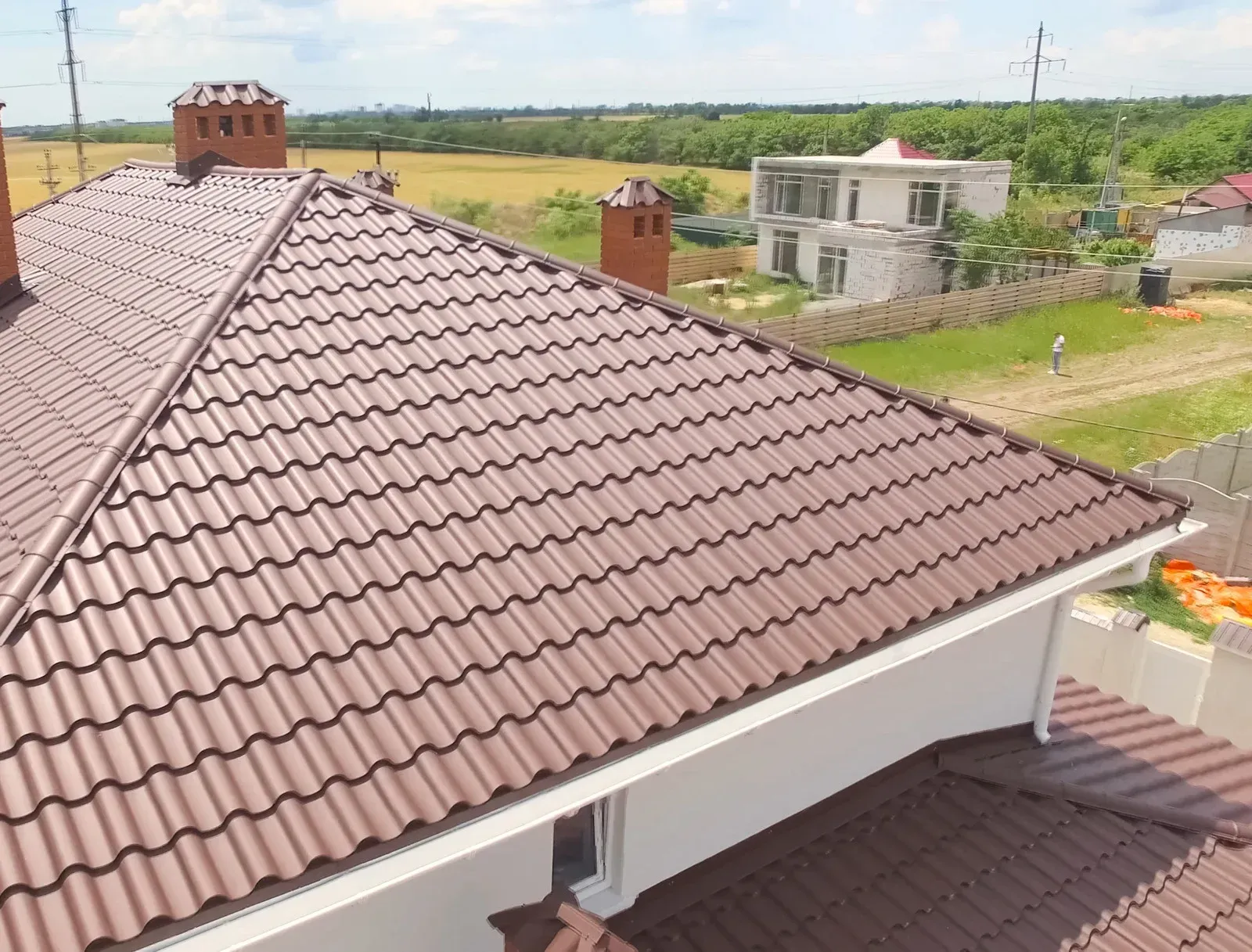
Modern metal roofs are available in a variety of styles, colors, and finishes, allowing homeowners to achieve a customized look that complements architectural design. Options range from traditional shingle-like panels to sleek, contemporary standing seam profiles. The adaptability of metal roofing enables both modern and classic homes to enhance curb appeal while maintaining the functional benefits of durable roofing materials.
Lifespan of Metal Roofs – Longevity Compared to Traditional Materials
Typical Lifespan and Performance
One of the primary reasons homeowners consider metal roofing is its longevity. While asphalt shingles typically last 15–25 years, metal roofs can last 40–70 years or more, depending on the material, installation quality, and maintenance practices. Aluminum, steel, and copper options each offer different performance characteristics, with copper often being the longest-lasting due to its natural corrosion resistance.
The extended lifespan of metal roofs translates into fewer replacements and lower lifecycle costs. Even with a higher upfront investment, the reduced frequency of repairs and replacements can make metal roofing more cost-effective over the decades.
Maintenance Requirements
Metal roofs require minimal maintenance compared to traditional roofing materials. Regular inspections for loose panels, debris accumulation, or minor surface scratches are generally sufficient to maintain optimal performance. Unlike shingles, which may require patching or replacement after storms, metal panels can often be repaired or resealed with minimal effort, further contributing to long-term cost savings.
Impact of Material Choice
Selecting the right metal is critical to maximizing lifespan. Galvanized or galvalume steel offers robust protection against rust and corrosion, making it suitable for areas with high humidity or coastal environments. Aluminum is lightweight and resistant to rust, ideal for regions with heavy rainfall. Copper and zinc offer exceptional durability and develop a natural patina over time, providing both protection and aesthetic appeal.
Financial Considerations – Evaluating ROI and Investment Value
Upfront Costs vs Long-Term Savings
Metal roofing generally carries a higher initial cost than asphalt shingles or other conventional roofing materials. On average, homeowners may spend $5 to $12 per square foot for metal roofing, depending on material and design, compared to $3 to $5 per square foot for asphalt shingles. While this upfront investment can appear substantial, the extended lifespan and reduced maintenance requirements offset long-term costs. Over a 50-year period, a metal roof may ultimately prove more economical than multiple asphalt roof replacements.
Energy Efficiency and Utility Savings
As previously noted, metal roofing’s reflective properties can contribute to noticeable energy savings. In warmer climates, these savings on cooling costs can accelerate the return on investment. Homeowners who incorporate energy-efficient insulation and ventilation systems can further enhance these benefits, resulting in a more sustainable and cost-effective roofing solution.
Insurance Incentives and Property Value
Another financial advantage is the potential for insurance discounts. Many insurance providers offer reduced premiums for homes with fire-resistant and wind-resistant metal roofs. Additionally, metal roofing can increase property resale value, as prospective buyers recognize the benefits of long-lasting, low-maintenance roofing. Homes equipped with metal roofs often appeal to buyers seeking durable and energy-efficient features, providing a competitive edge in the real estate market.
Environmental Impact – Sustainability and Eco-Friendliness
Recyclable and Sustainable Materials
Metal roofing is highly sustainable. Most metal panels are made from recycled materials, and the roof itself is 100% recyclable at the end of its lifespan. This reduces environmental waste compared to asphalt shingles, which often end up in landfills. For homeowners concerned about environmental impact, metal roofing represents a responsible choice that aligns with eco-friendly building practices.
Energy-Efficient and Heat-Reflective
Metal roofs reflect solar radiation, reducing the heat island effect in urban areas and lowering overall energy consumption. These energy-efficient properties contribute to a smaller carbon footprint while helping homeowners maintain comfortable indoor temperatures with less reliance on air conditioning systems.
Longevity Reduces Environmental Waste
Because metal roofs last significantly longer than other materials, fewer roofs are discarded over time, reducing the cumulative environmental impact of roofing replacements. Investing in a durable metal roof contributes to sustainable construction practices and promotes long-term environmental stewardship.
Common Challenges and Considerations
Initial Cost Barriers
Despite its benefits, the upfront cost of metal roofing remains a barrier for some homeowners. Budget-conscious individuals may hesitate due to the higher initial expense compared to traditional materials. However, weighing this cost against potential long-term savings, insurance benefits, and increased property value often highlights the economic advantages of metal roofing.
The extended lifespan of metal roofs translates into fewer replacements and lower lifecycle costs. Even with a higher upfront investment, the reduced frequency of repairs and replacements can make metal roofing more cost-effective over the decades.
Noise Considerations
Some homeowners worry about noise from rain or hail on metal roofs. While modern installation techniques, insulation, and underlayment materials can significantly reduce sound transmission, addressing this concern during the planning phase is important to ensure comfort.
Proper Installation is Crucial
The effectiveness and longevity of metal roofing heavily depend on professional installation. Incorrect installation can lead to issues like water infiltration, panel warping, or diminished energy efficiency. Selecting experienced roofing contractors and adhering to manufacturer specifications ensures optimal performance and longevity.
Expert Insights – Why Metal Roofing Delivers Value
Industry Perspective
Roofing professionals consistently recognize metal roofs as a high-value investment for homeowners seeking durability, energy efficiency, and aesthetic versatility. Industry data indicates that metal roofs significantly reduce lifecycle costs compared to traditional asphalt options, particularly in regions prone to extreme weather conditions.
Real-World Examples
Homeowners in the southeastern United States, for instance, have reported substantial reductions in energy bills after installing reflective metal roofs. In addition, properties with metal roofing often experience higher resale value due to perceived durability and reduced maintenance concerns.
Strategic Investment
From a financial perspective, metal roofing represents a strategic investment in a home’s longevity and performance. While the upfront cost is higher, the combination of long-term savings, insurance incentives, and enhanced property value makes metal roofing a compelling choice for informed homeowners.
Trusted Professionals for High-Quality Metal Roofs
Metal roofing offers a unique combination of durability, energy efficiency, aesthetic flexibility, and long-term financial benefits. Its extended lifespan and minimal maintenance requirements make it an attractive option for homeowners seeking to maximize the value and longevity of their property. While the initial investment is higher than conventional materials, the reduced lifecycle costs, energy savings, and potential insurance discounts often justify the expense. By carefully considering material type, climate conditions, and installation quality, homeowners can make a well-informed decision that provides peace of mind and tangible financial advantages for decades.
At Top Flight Roofing, we bring over 10
years of hands-on experience delivering high-quality roofing solutions to homeowners in Mobile, Alabama. Our team is committed to guiding clients through every step of the roofing process, from material selection to professional installation, ensuring long-lasting performance and optimal value. With a focus on quality, reliability, and customer satisfaction, we specialize in
metal roofing solutions
that enhance both durability and aesthetic appeal. Choosing Top Flight Roofing
means partnering with a trusted, knowledgeable team dedicated to protecting your home investment while providing expert advice and exceptional craftsmanship. Whether you’re considering a new installation or a roof replacement, our proven expertise ensures your property benefits from superior performance, energy efficiency, and enduring value for years to come.