What to Do After Sudden Roof Storm Damage: An Emergency Repair Guide
January 5, 2026
Severe storms can strike without warning, leaving behind a trail of destruction that impacts both homes and businesses. Among the most vulnerable areas during extreme weather events is the roof—a structure designed to protect everything beneath it. When hail, wind, or falling debris causes sudden damage, homeowners are often left unsure of how to respond. Immediate action is crucial, not only to prevent further deterioration but also to ensure safety for everyone in the household. Understanding the proper steps for emergency roof repair can save time, money, and prevent minor issues from escalating into major structural problems.
In the aftermath of storm damage, swift and informed action makes all the difference. From assessing the damage to initiating temporary repairs, each step requires careful attention to detail. This guide provides a comprehensive approach for homeowners and property managers facing sudden roof damage. By outlining practical strategies, safety protocols, and expert recommendations, it serves as a reliable resource for managing the urgent aftermath of storms. Whether it’s securing your property, communicating with insurance providers, or hiring professional repair services, these steps help mitigate risk and restore your roof’s integrity efficiently and effectively.
1. Immediate Safety Measures: Protecting Yourself and Your Property
Assess Structural Safety
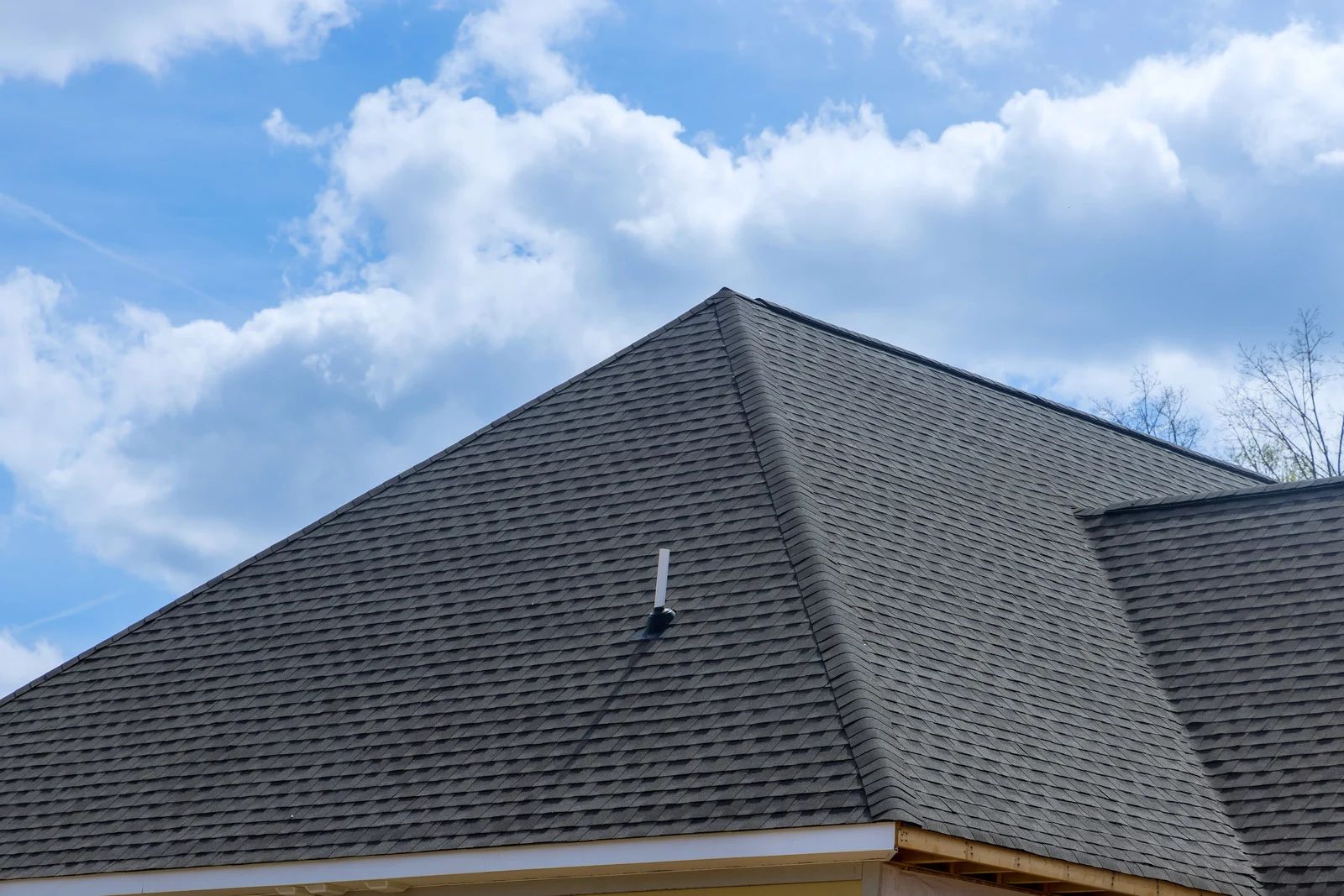
After a storm, the first priority is safety. Avoid entering areas with visible damage until you are certain the structure is stable. Look for sagging ceilings, cracked walls, or exposed wiring—any of which could indicate a risk of collapse or electrical hazards. Use binoculars from a safe distance to inspect the roof for loose shingles, fallen branches, or holes.
Clear Hazard Zones
If debris is present on the ground or hanging dangerously from the roof, cordon off these areas to prevent injuries. Keep pets and children away from potentially unsafe zones, and mark the perimeter clearly. Temporary barriers or caution tape can be highly effective in limiting access to hazardous spaces.
Emergency Power Safety
Storms often cause electrical outages or water intrusion near electrical systems. Turn off electricity in affected areas to reduce the risk of electrocution. Avoid standing in water or wet areas when inspecting the roof or property. Prioritizing safety is essential before any assessment or repair efforts begin.
Expert Tip
Having a basic emergency kit with a flashlight, gloves, hard hats, and first-aid supplies can be invaluable during a post-storm inspection. Preparedness reduces risk and allows for more effective early response measures.
2. Assessing Roof Damage: Inspection and Documentation
Conduct a Visual Roof Inspection
Once safety is ensured, a thorough inspection is the next step. Identify visible damage, such as missing shingles, cracked tiles, dented metal panels, or punctures in the roofing membrane. Take note of any interior signs of leaks, like water stains on ceilings or walls, as these may indicate compromised sections of the roof.
Document Everything
Photographic evidence is critical for insurance claims. Capture wide shots of the entire roof and close-ups of specific damage areas. Make detailed notes describing the type, location, and extent of damage. Accurate documentation helps streamline claims and supports transparent communication with insurance providers.
Look for Hidden Damage
Storm damage isn’t always visible from the ground. Check gutters and downspouts for dents or blockages, and inspect the attic for signs of water intrusion, mold, or rot. Hidden damage can exacerbate structural issues if not identified and addressed promptly.
Expert Scenario
A homeowner noticed minor shingle displacement after a windstorm but overlooked attic leaks. Within days, water seepage caused insulation damage and mold growth. Early, comprehensive inspection could have prevented this escalation and minimized repair costs.
3. Temporary Roof Repairs: Preventing Further Damage
Apply Roof Tarps or Covers
If the roof has punctures, holes, or missing shingles, temporarily cover the area with a waterproof tarp. Secure it using roof-safe fasteners or weighted objects to prevent further water intrusion. Tarps act as a stopgap measure until professional repairs can be made.
Seal Small Leaks
For minor leaks, roofing sealants or adhesive patches can provide short-term protection. Focus on areas where water is actively entering the structure. Use proper materials compatible with the roof type—metal, asphalt, or tile—for the best results.
Clear Drainage Pathways
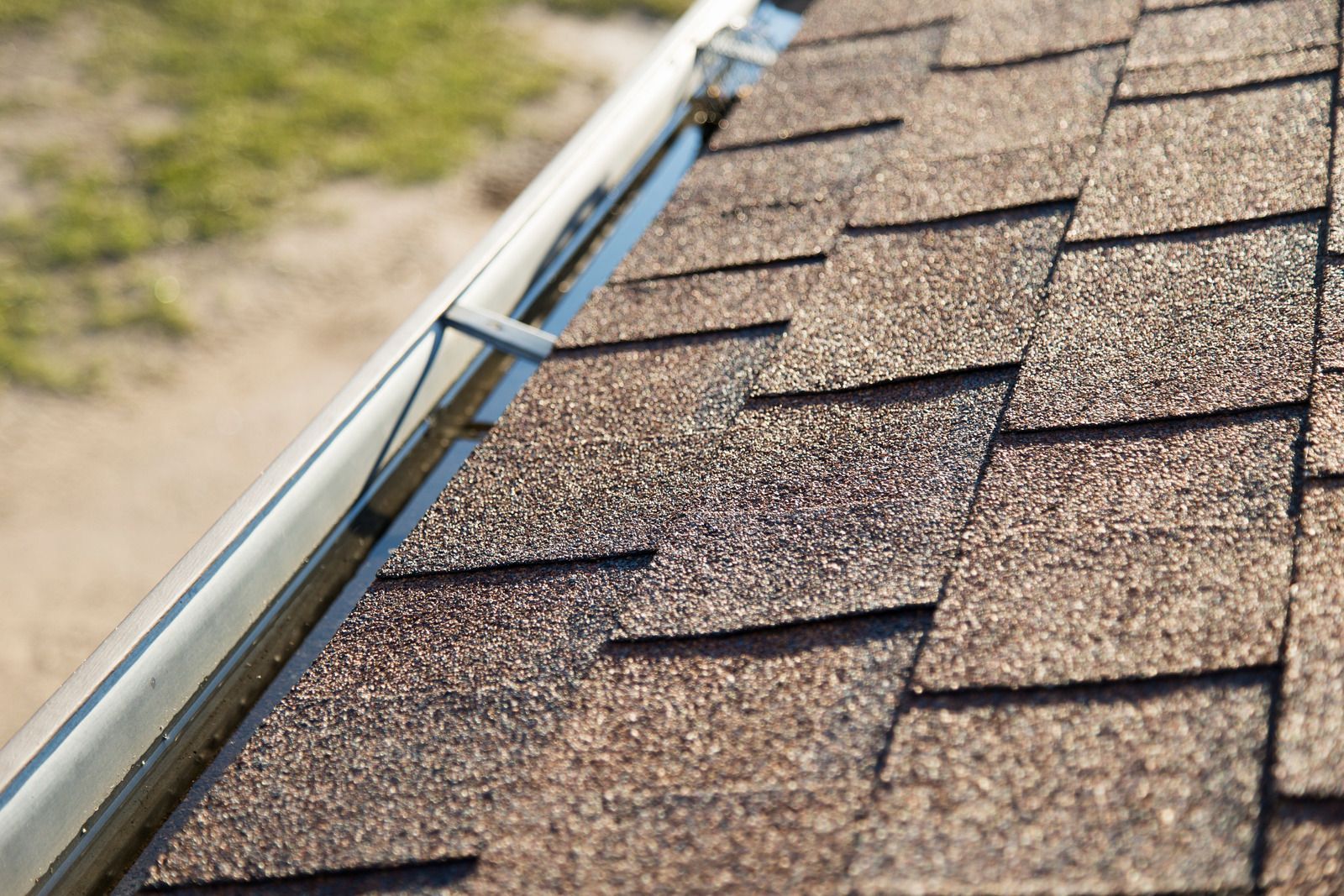
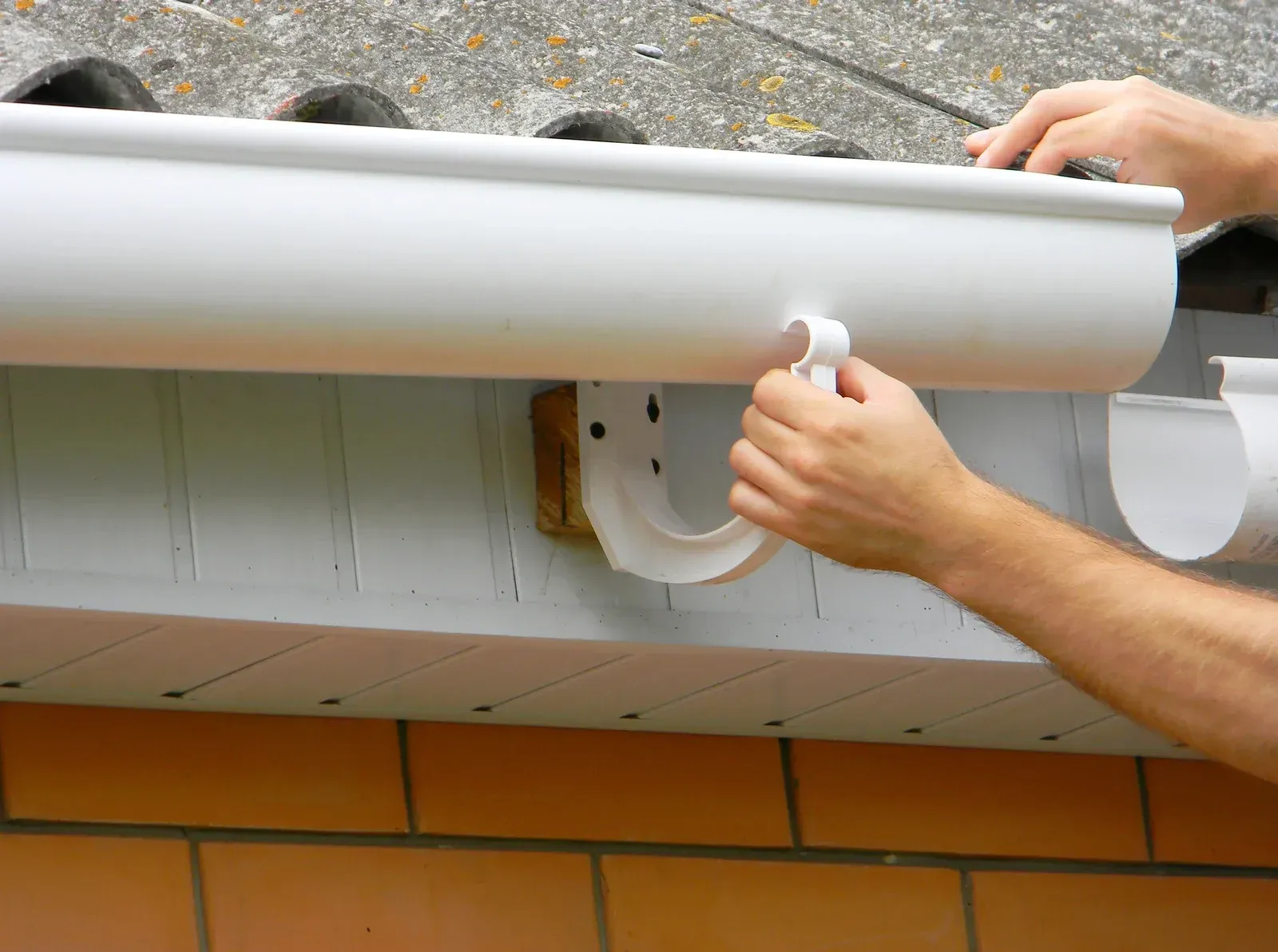
Storm debris can block gutters and downspouts, causing water accumulation and secondary damage. Remove leaves, branches, and other obstructions to ensure proper drainage. This simple step reduces the risk of leaks and water-related structural issues.
Safety Reminder
Never attempt temporary repairs in unsafe conditions. Use a stable ladder, proper footwear, and protective gear. If the damage is extensive or the roof is steep, waiting for professional intervention is the safer option.
4. Engaging Insurance and Professional Services
Contact Your Insurance Provider
Promptly inform your homeowner’s insurance company about the damage. Provide all documentation, including photographs and detailed notes. Understanding policy coverage and claim procedures early can expedite financial support for necessary repairs.
Schedule a Professional Roof Inspection
Hiring a certified roofing contractor ensures a thorough evaluation of the damage. Professionals can identify structural compromises, hidden leaks, and other critical issues that may not be evident during a DIY inspection. A certified inspection also adds credibility to insurance claims.
Choosing the Right Contractor
Look for licensed and insured roofing professionals with experience in storm damage repair. Request references and verify previous work quality. A reputable contractor can guide you through repair options, cost estimates, and the most durable materials suited to your roof type.
Real-World Benefit
Professional assessment often uncovers minor issues before they escalate, reducing long-term repair costs. A small repair addressed early can prevent major structural damage, roof replacement, and potential property loss.
5. Repair and Restoration: Long-Term Solutions
Evaluate Repair vs. Replacement
Depending on the extent of the damage, a contractor may recommend partial repairs or a full roof replacement. Minor shingle or tile damage can often be fixed quickly, while widespread structural compromise may necessitate a complete replacement to ensure safety and longevity.
Use High-Quality Materials
Storm-resistant materials, such as impact-rated shingles, reinforced metal panels, or high-durability membranes, improve long-term resilience. Investing in durable roofing materials reduces the likelihood of recurrent damage from future storms.
Implement Preventive Measures
Beyond immediate repairs, consider enhancing roof resilience. This may include reinforcing flashing, sealing vulnerable joints, or installing improved drainage systems. Preventive upgrades extend the roof’s lifespan and reduce vulnerability to future storms.
Expert Insight
A property owner who upgraded to impact-resistant shingles after a hailstorm experienced minimal damage in subsequent storms. Although the initial investment was higher, the long-term savings on repairs and insurance claims proved substantial.
6. Post-Repair Maintenance and Monitoring
Regular Roof Inspections
After repairs, schedule regular inspections—at least twice a year and after severe weather events. Early detection of wear, leaks, or minor damage prevents small issues from escalating into expensive repairs.
Maintain Gutters and Surrounding Areas
Keeping gutters, downspouts, and roof-adjacent vegetation clear reduces stress on the roof and limits water damage. Proper drainage ensures that water flows away from the structure, protecting both the roof and the foundation.
Document Ongoing Condition
Maintain a log of all inspections, repairs, and maintenance activities. This record supports future insurance claims, resale value, and ensures continuity in roof care. A proactive approach helps safeguard the property and maximizes the investment in roof restoration.
Best Practice Scenario
A homeowner who regularly monitored their roof post-repair identified a minor sealant failure early. Prompt intervention prevented water infiltration and structural damage, highlighting the value of consistent maintenance and proactive monitoring.
7. Insurance and Financial Considerations
Understanding Storm Coverage
Not all homeowner insurance policies cover every type of storm damage. Familiarize yourself with terms related to wind, hail, or water damage. Knowing your coverage allows you to plan effectively and avoid unexpected expenses.
Filing Timely Claims
Timely filing is critical for smooth processing. Include all necessary documentation and work closely with insurance adjusters. Clear communication and complete records reduce delays and disputes.
Cost-Saving Opportunities
Consider combining temporary repairs, professional assessments, and preventive upgrades to minimize overall costs. Investing in quality materials and professional labor often reduces insurance claims, repair frequency, and long-term financial strain.
Expert Tip
Maintaining a relationship with a trusted contractor ensures quick response times during emergencies and reliable cost estimates for insurance claims, streamlining the recovery process.
Trusted Professionals Handling Every Roof Emergency Efficiently
Sudden roof storm damage can be overwhelming, but timely and strategic action significantly reduces risk, expense, and long-term damage. Prioritizing safety, conducting thorough inspections, documenting damage, implementing temporary repairs, and engaging professionals form the foundation of an effective emergency response. By combining careful assessment with proactive maintenance and storm-resistant upgrades, homeowners can safeguard their property while ensuring the roof’s longevity and performance. These measures not only preserve structural integrity but also support smoother insurance processes and cost-effective repair strategies.
At Top Flight Roofing
in Mobile, Alabama, we bring over a decade of expertise in storm damage repair and emergency roofing solutions. Our team is committed to providing fast, reliable, and
professional service
tailored to each homeowner’s needs. From immediate emergency response to long-term restoration and preventive planning, we ensure your roof is secure, durable, and storm-ready. Trust Top Flight Roofing
for dependable guidance, quality workmanship, and peace of mind during life’s unexpected storms.
8. Planning for Future Storm Resilience
Storm-Resistant Roofing Options
Modern roofing technologies, such as reinforced shingles, metal roofs, and synthetic membranes, are designed to withstand high winds, hail, and water intrusion. Evaluating these options during repair or replacement can significantly reduce future risk.
Landscape and Property Protection
Strategically placed trees, barriers, or protective structures can minimize falling debris. Regular trimming of overhanging branches reduces roof puncture risks during storms.
Emergency Preparedness Plans
Develop a comprehensive emergency plan for future storms. Include safe evacuation routes, emergency kits, and contractor contacts. Preparedness reduces panic, ensures safety, and accelerates recovery after extreme weather events.
Real-World Example
A property owner installed storm-rated roofing and maintained surrounding vegetation after experiencing repeated wind damage. Subsequent storms caused minimal impact, demonstrating the importance of proactive planning.